
Memory in a Glass
Malvasia Odorosissima, Venetian baccalà and the fragile heritage that time almost erased

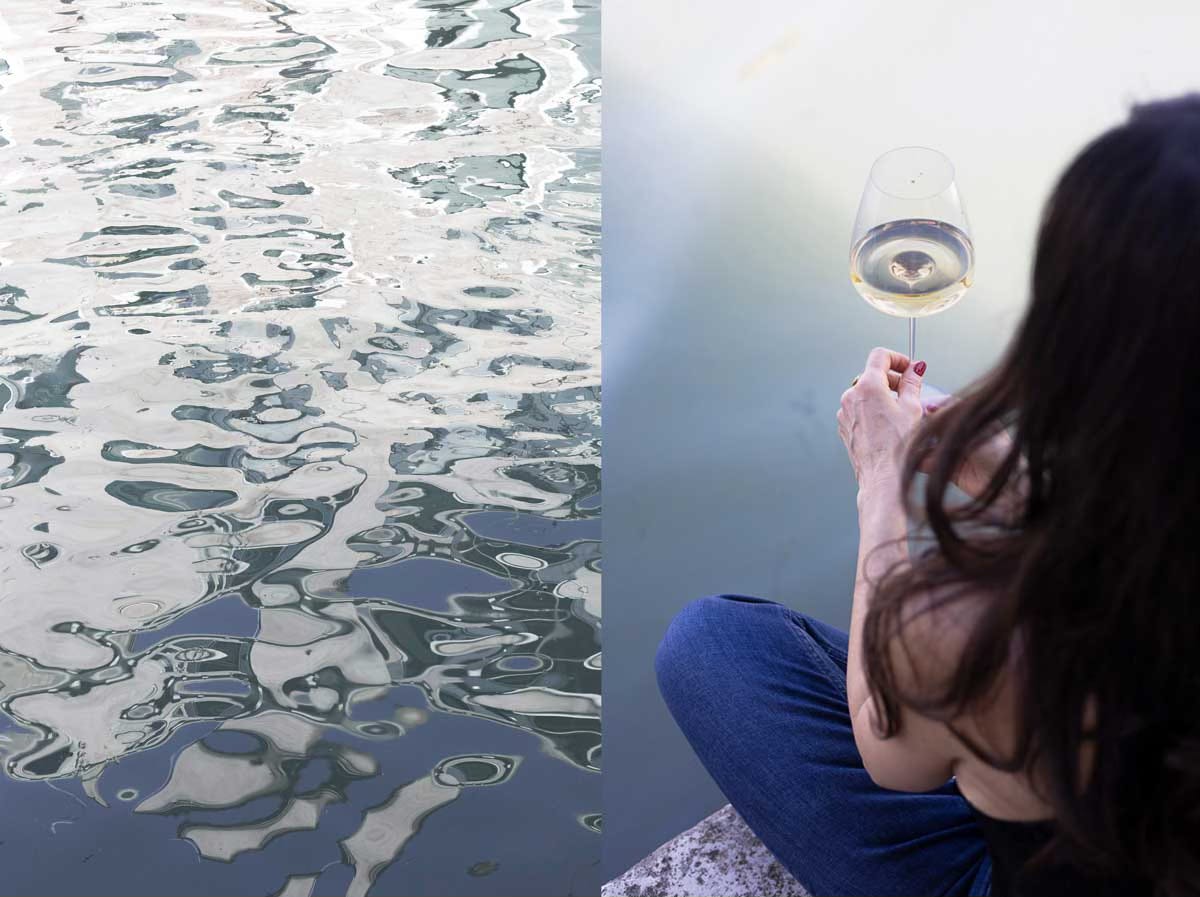
Among the nineteen Italian Malvasia varieties I encountered during my research, there is one that I find myself returning to again and again. It is not the most famous, nor the easiest to find. In fact, today it is one of Italy’s rarest white grape varieties. Yet whenever I think of the word Malvasia, I think of her, Malvasia Odorosissima.
I cannot fully explain why. Perhaps it is the scent of ripe citrus that rises naturally from the glass. Perhaps it is the rich, velvety sensation that envelops the palate. Or perhaps it is its ability to be aromatic without ever becoming excessive. Every Malvasia reveals a different facet of this remarkable family of grapes. Odorosissima, however, embodies many of the qualities I look for in a wine: fragrance, freshness and salinity, combined with texture, depth and a generous fullness on the palate.
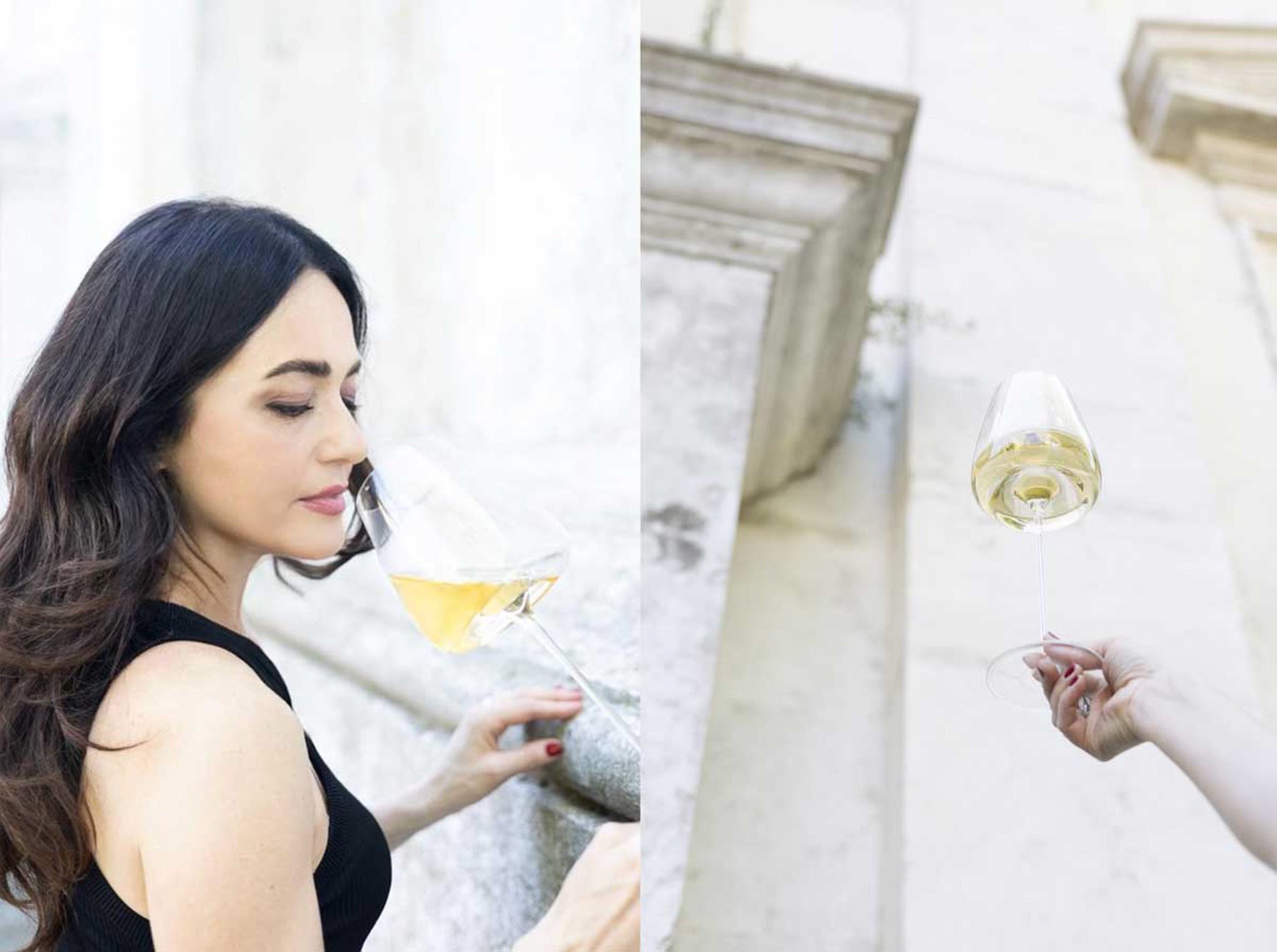
When I first tasted it, I had the feeling of encountering something I had been searching for for a long time. Its story is as fascinating as it is fragile.
Also known as Malvasia di Maiatico or Malvasia Aromatica di Parma, it was widely cultivated throughout the hills of Parma during the nineteenth century, where it was highly valued for its extraordinary aromatic character. Over time, however, the variety was gradually abandoned. It produced low yields, required careful attention in the vineyard, and adapted poorly to the demands of modern viticulture. The grape was saved from oblivion by Angelo Casalini, who preserved old historic vines and allowed the variety to survive into the present day. Even today, his name remains closely associated with the grape, which is sometimes still referred to as Malvasia Casalini.
Today, Odorosissima survives in only a handful of vineyards around Torrechiara, in the hills of Parma. It is cultivated and vinified in extremely limited quantities by a single winery that continues to safeguard its identity and memory: La Madonnina. To taste it is to come into contact with a rare story, a living testimony to a viticultural heritage that time could easily have erased. During my research, I had the opportunity to taste only one interpretation of this variety: Chiaro di Luna 2024 from Azienda Agricola La Madonnina in Torrechiara (Parma). An encounter that revealed even more clearly the extraordinary character and rarity of this grape.
At that point, a question emerged, one that often accompanies my work, Which dish could best tell the story of this wine? The answer brought me back to Venice.
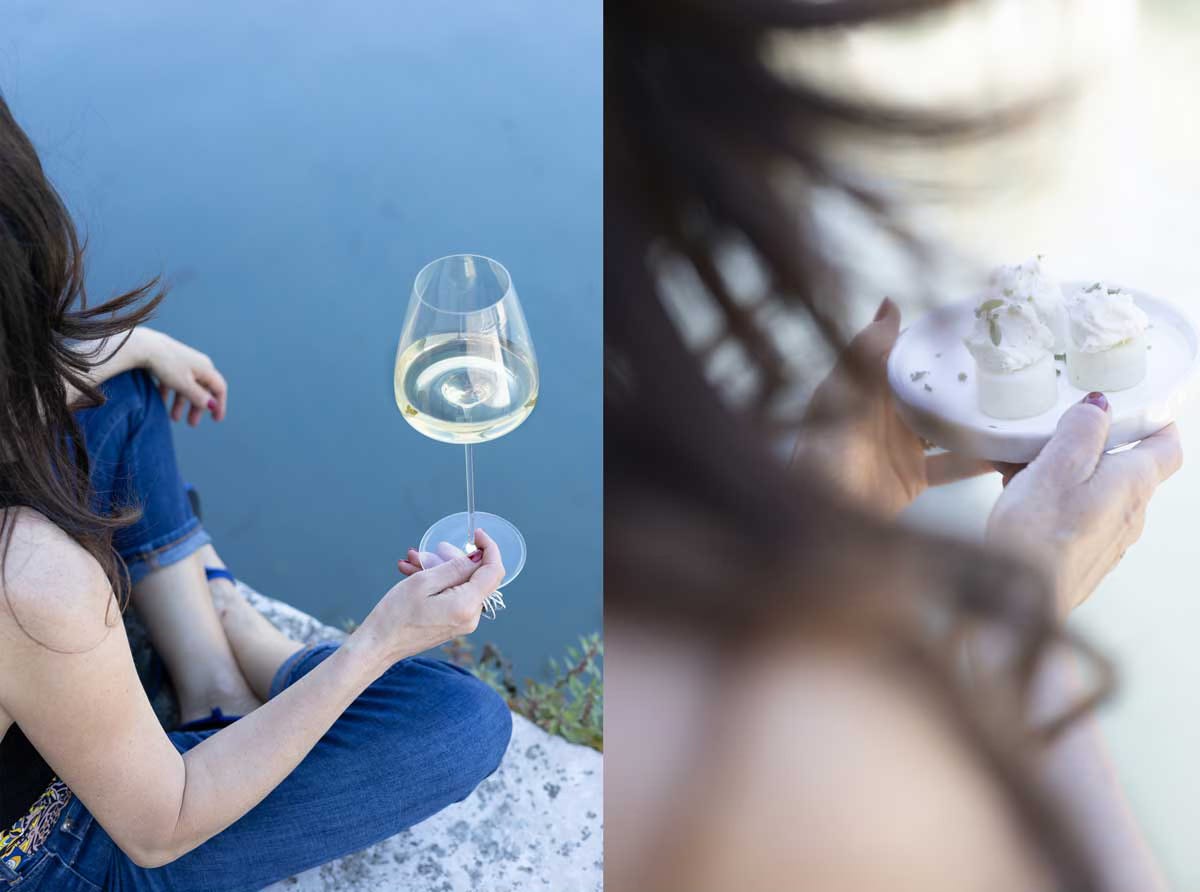
Not to an elaborate preparation or a grand table, but to baccalà mantecato, one of the dishes that most deeply embodies the culinary memory of the Serenissima. Behind this recipe lies a story of the sea and of unexpected encounters.
In 1431, the Venetian merchant Pietro Querini set sail for Flanders carrying a valuable cargo that included hundreds of barrels of Malvasia wine. A violent storm wrecked the ship, and Querini, together with a handful of survivors, managed to reach the Røst Islands, beyond the Arctic Circle. It was there that he discovered stockfish. Upon his return to Venice, that dried cod - which had sustained the communities of the North for centuries - slowly entered the city’s culinary traditions, eventually becoming one of the defining ingredients of Venetian cuisine.
Pairing baccalà mantecato with Malvasia Odorosissima today means bringing together two stories of preservation and memory. On one side, a grape variety saved from disappearance through the determination of a few devoted custodians.On the other, a food that arrived in the Venetian lagoon through a shipwreck and, over the centuries, became part of the city’s cultural and gastronomic heritage.
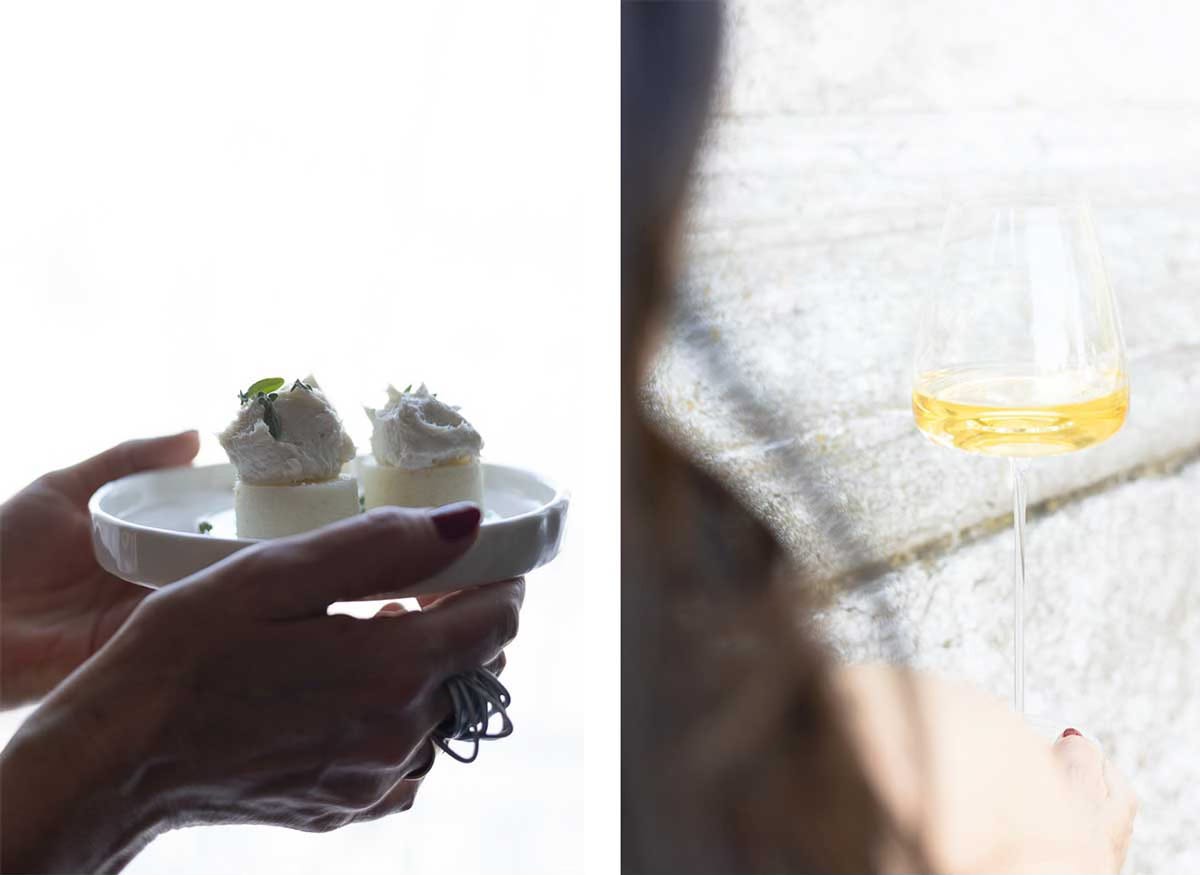
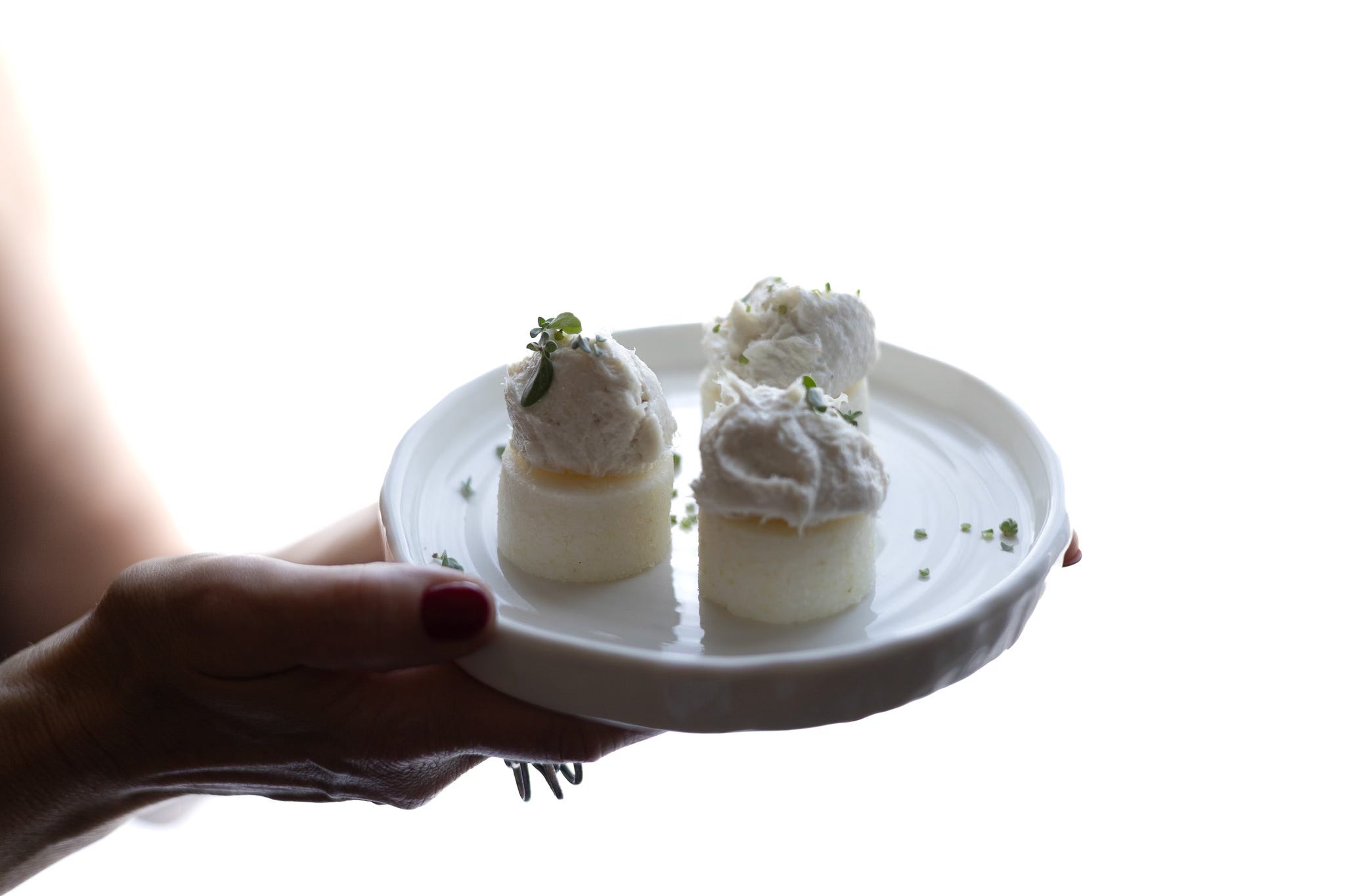
In the glass, Odorosissima accompanies the baccalà with remarkable ease. Its aromatic character echoes the delicacy of the dish without overpowering it, while its freshness and salinity lighten the creamy texture of the cod. The wine remains long, elegant and surprisingly harmonious on the palate.
More than a simple food and wine pairing, this encounter felt to me like a dialogue between two fragile heritages that time has chosen to preserve. Perhaps this is one of the reasons why I continue to return to Odorosissima in my thoughts.
Because in this wine I find many of the reasons that led me to embark on this journey through Italy’s Malvasia varieties: the memory of places, the quiet work of their custodians, and wine’s unique ability to tell stories that might otherwise be lost.
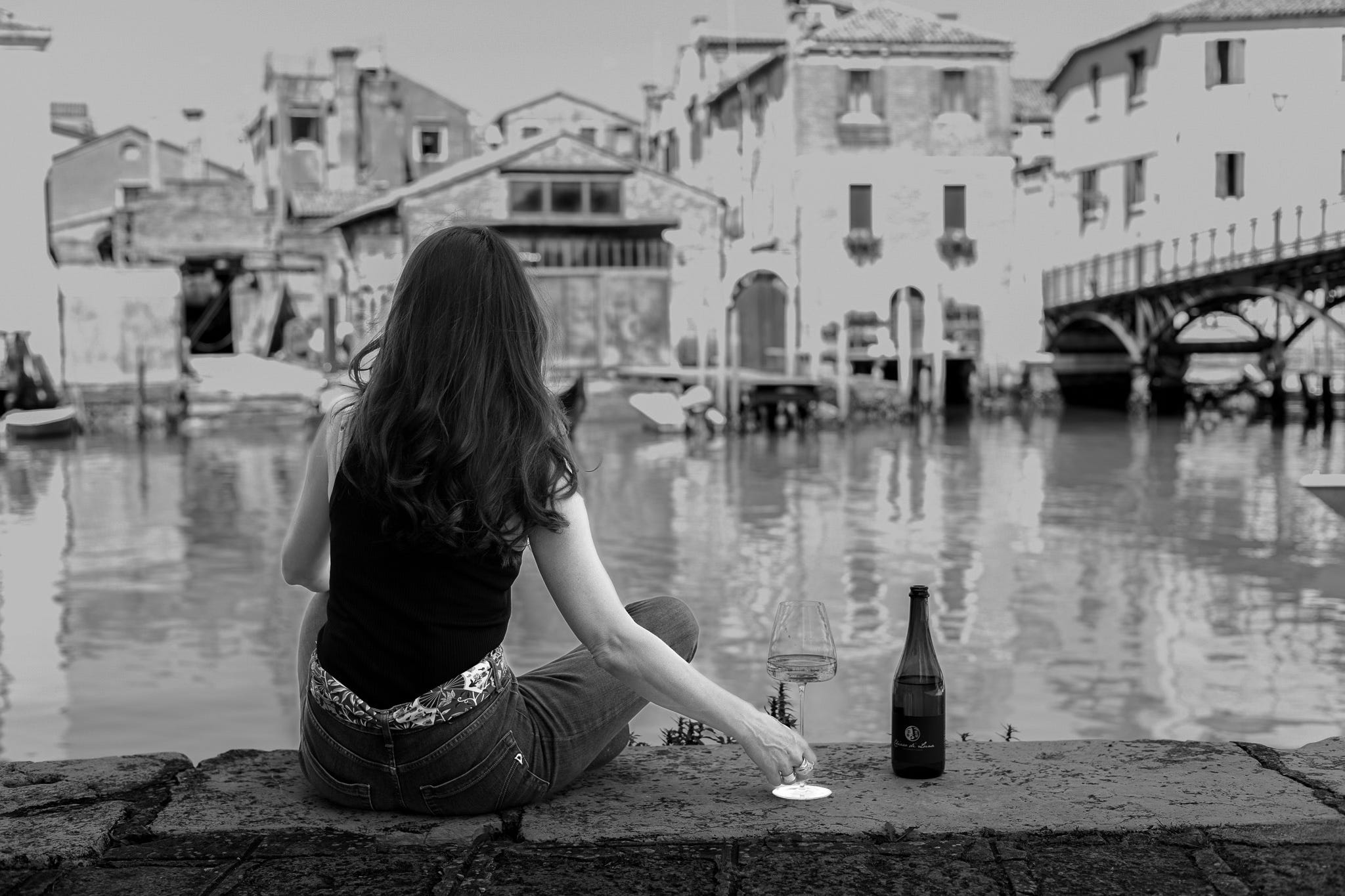
P.S. I like to serve baccalà mantecato as small finger-food bites on delicate rounds of white polenta. In Venice, this recipe is more than a dish, it is a piece of living memory, passed down from generation to generation. Made with stockfish and slowly whipped with olive oil into a soft, velvety cream, it remains one of the city's most beloved culinary traditions. So important is this heritage that the Confraternita del Bacalà Mantecato was founded to preserve and promote the original Venetian recipe. Perhaps this is why I return to it whenever I open a bottle of Malvasia Odorosissima. Both seem to share the same spirit: simplicity, patience, and stories that endure through time.
In Tasting:
Chiaro di Luna
Malvasia Odorosissima, vino bianco frizzante, 2024
Azienda Agricola La Madonnina, Torrechiara (Parma)
13% vol.
Laura Riolfatto
Wine storyteller & sommelier
🔗 laurariolfatto.com
🍷 Malvasia Pop Up™
📖 Table Stories
If you’d like to receive my letters and updates from Malvasia Pop Up, you can subscribe to the newsletter here: https://www.laurariolfatto.com/newsletter