
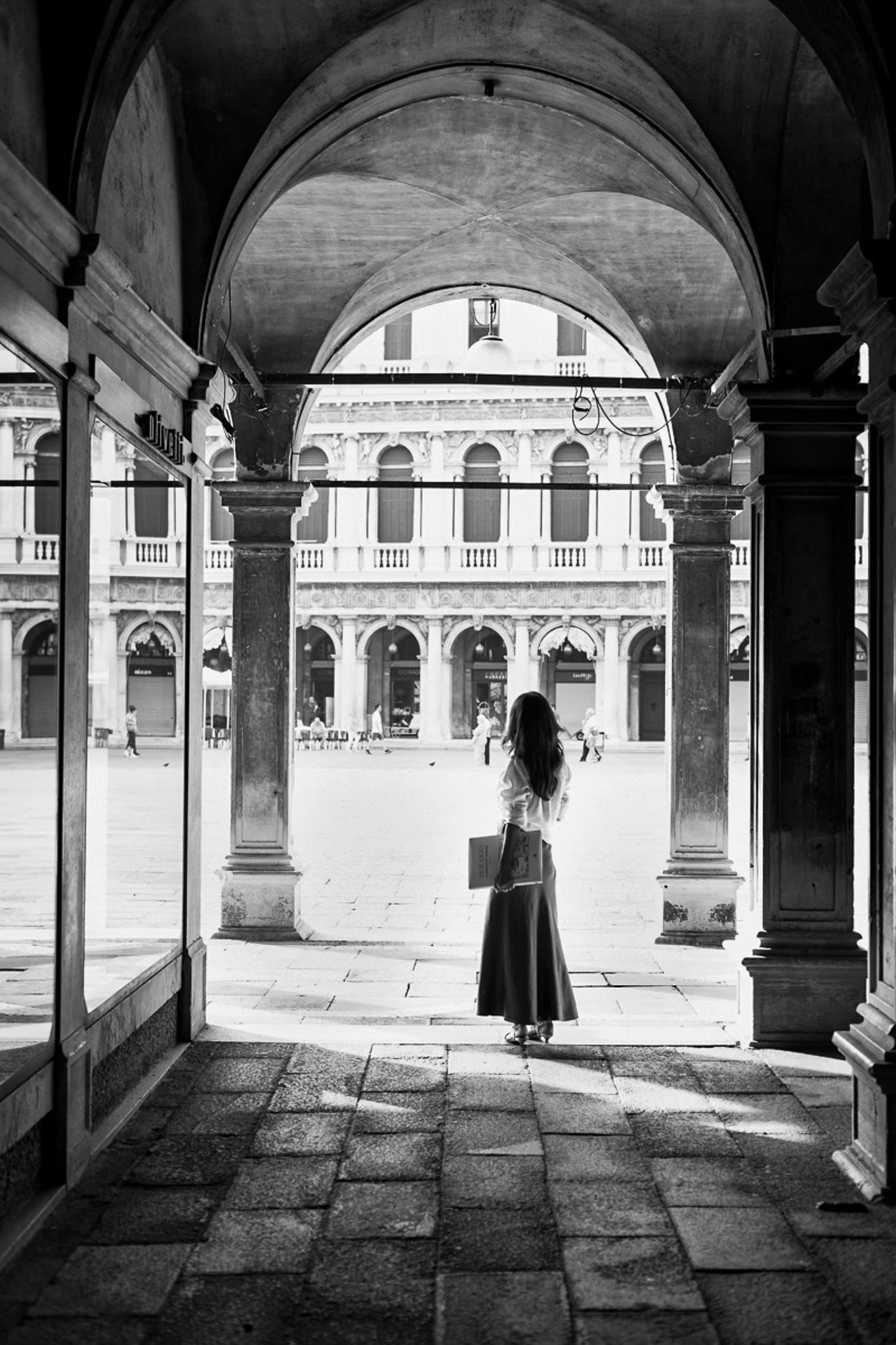
In 1528, in Venice, Benedetto Bordone published his Isolario, an extraordinary book that sought to tell the story of the world through its islands. He drew them, described them, observed their position, their coastlines and cities, but also their histories and ways of life. Among those islands was Candia, the ancient name for Crete, a land that, for Venice, was far from distant. For centuries, it formed part of the Republic’s political, commercial and cultural world, one of the key points in that eastern Mediterranean network that brought goods, people, knowledge and flavours to the city. I like to begin with a map because it reveals something we often forget, Venice cannot be understood by looking at it from the lagoon alone. We need to widen our gaze towards the sea and follow the routes that shaped it.
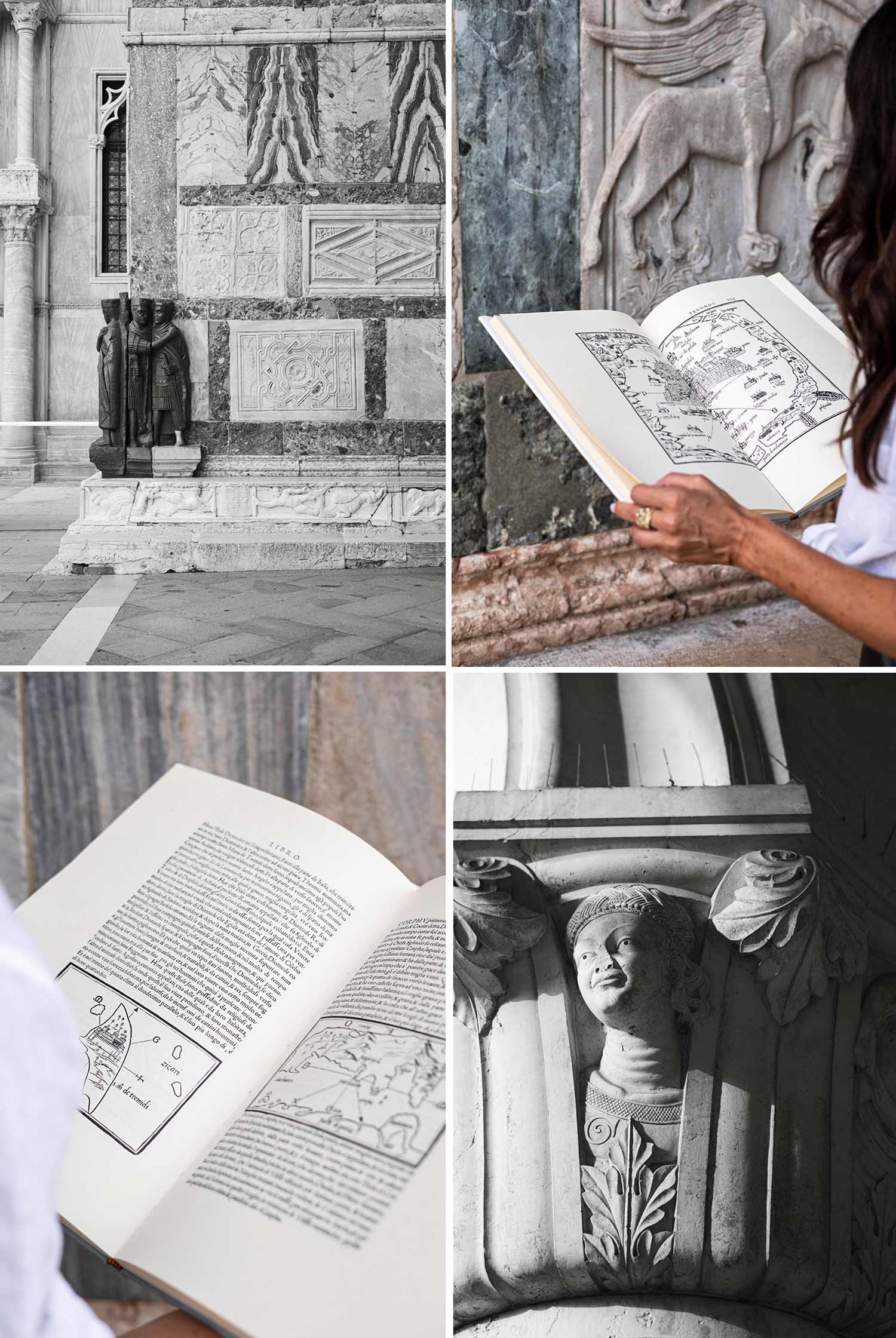
A walk through St Mark’s Square is enough to find traces of this history. They are there in the marble, the stone and the elements that came from the East and became part of the city’s architecture. The Tetrarchs are an extraordinary example. They came from Constantinople, like many of the treasures Venice brought back after the sack of the city in 1204, during the Fourth Crusade. It was a brutal episode, devastating one of the most magnificent and prosperous cities in the world at the time, and the Venetians played a direct part in it. This, too, is Venice, a city capable of creating and preserving immense beauty, but one also shaped by trade, power, conquest and appropriation. Wine, too, belongs to this history of journeys. Malvasia was one of the most sought-after wines in Venice in centuries past, prized and celebrated for its aromas. Today, that name continues to travel and can be found in Malvasia di Candia Aromatica, one of the 19 Malvasia varieties found in Italy.
It is not the same wine that arrived in Venice centuries ago, and it would be misleading to merge the two histories. And yet I am fascinated by the fact that its name still holds two words, Candia and Aromatica: almost a geography and a sensation, the island on one side and the fragrance on the other. A distant echo of those Mediterranean wines that were once sought after, traded and celebrated in Venice.
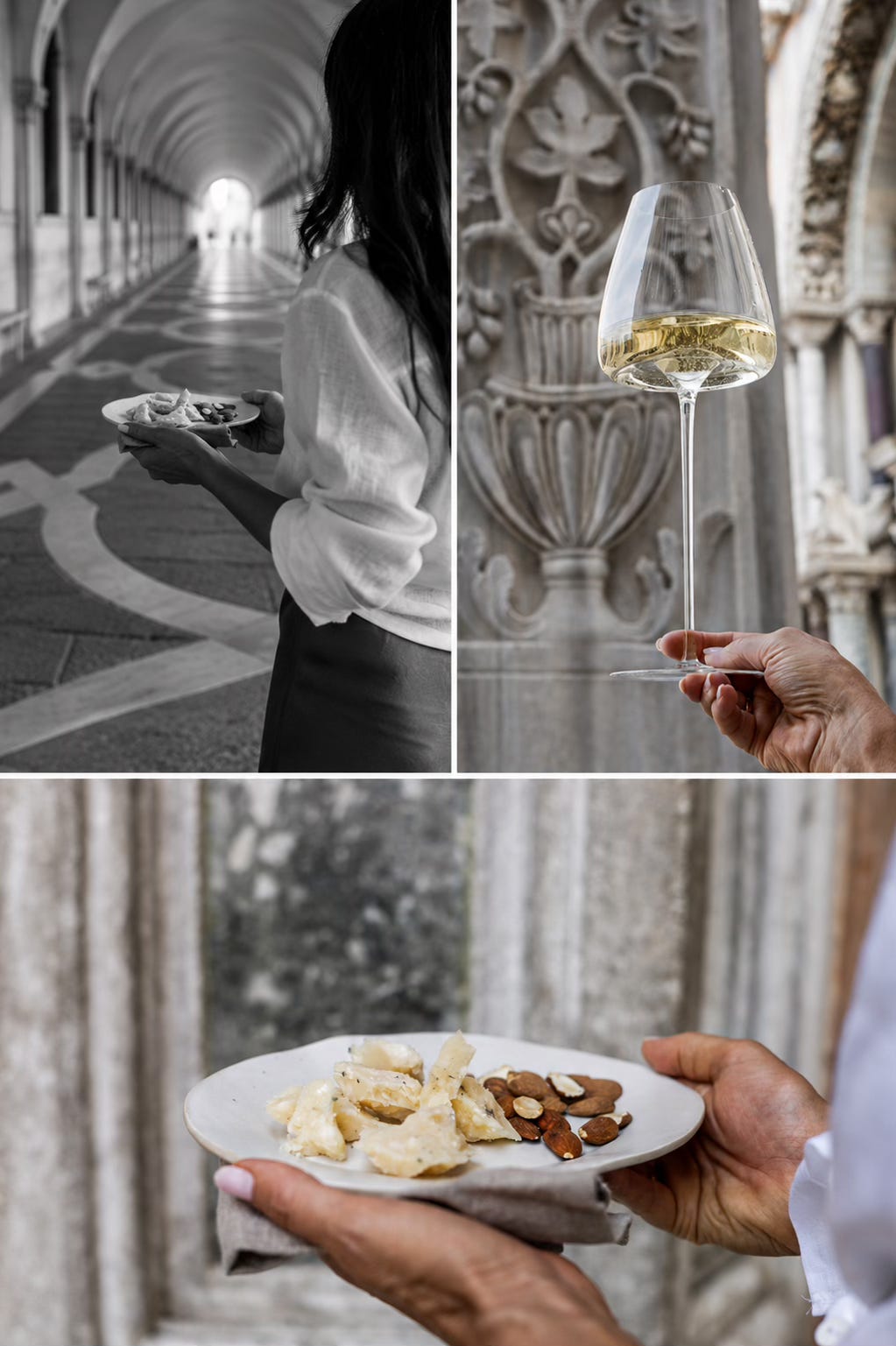
A few days ago, I went back to the book Amandole e Malvasia per uso di corte. Cibi e ricette per la tavola dei Duchi di Milano, by Grazia Rossanigo and Pier Luigi Muggiati. When I first bought it, what struck me most was the title itself, Amandole e Malvasia (Almonds and Malvasia), placed side by side almost as a declaration of privilege. Today, a handful of almonds and a glass of wine may seem like simple, everyday things. Back then, they were anything but. They were precious goods, tied to trade and wealth, ingredients that reached the table only after travelling along roads and maritime routes, and precisely because of those journeys, they also spoke of prosperity, taste and social distinction.
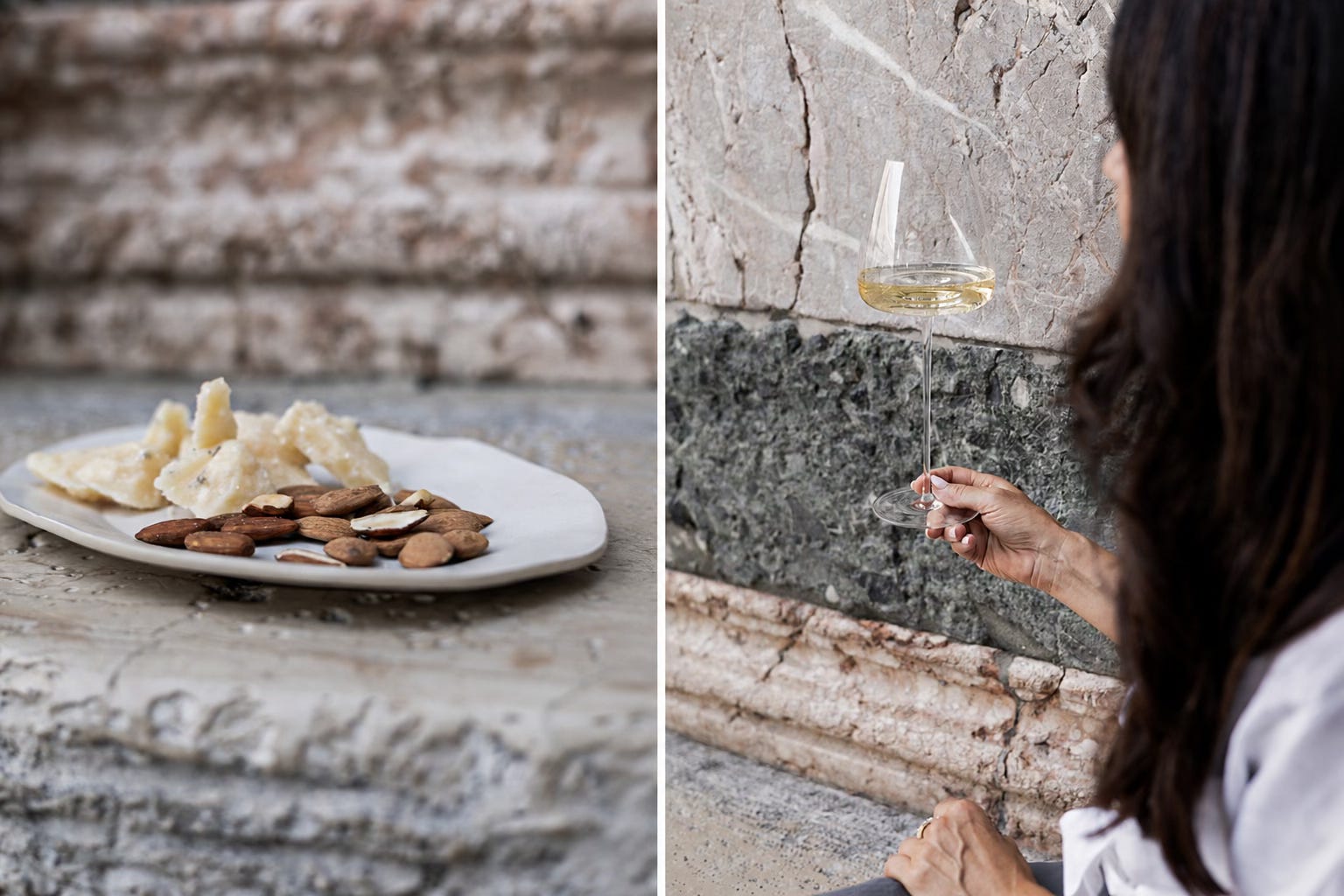
Almonds were a prized ingredient in court cuisine, used in the most elaborate preparations and transformed into pastes, creams and sauces. Malvasia belonged to the same world of desire: a sought-after and expensive wine, celebrated for its sweetness and aromas, which Mediterranean trade had turned into one of the great wines of European tables. Two small luxuries that told the story of a world far greater than themselves. What we can place on a table so naturally today was, for centuries, the result of a journey. Behind an almond were distant lands, merchants, ships and ports; behind a glass of Malvasia was a Mediterranean constantly crossed by people and goods. And Venice was one of the places where those journeys became taste. This is where the small dish I chose to serve alongside Malvasia di Candia Aromatica comes from. Almonds and Parmigiano, simplicity, fragrance, savouriness and crunch. Almost a way of restoring value to things through their simplicity. And then the wine, aromatic, fragrant and persistent. Candia and Aromatica come together once again, a geography and a sensation.
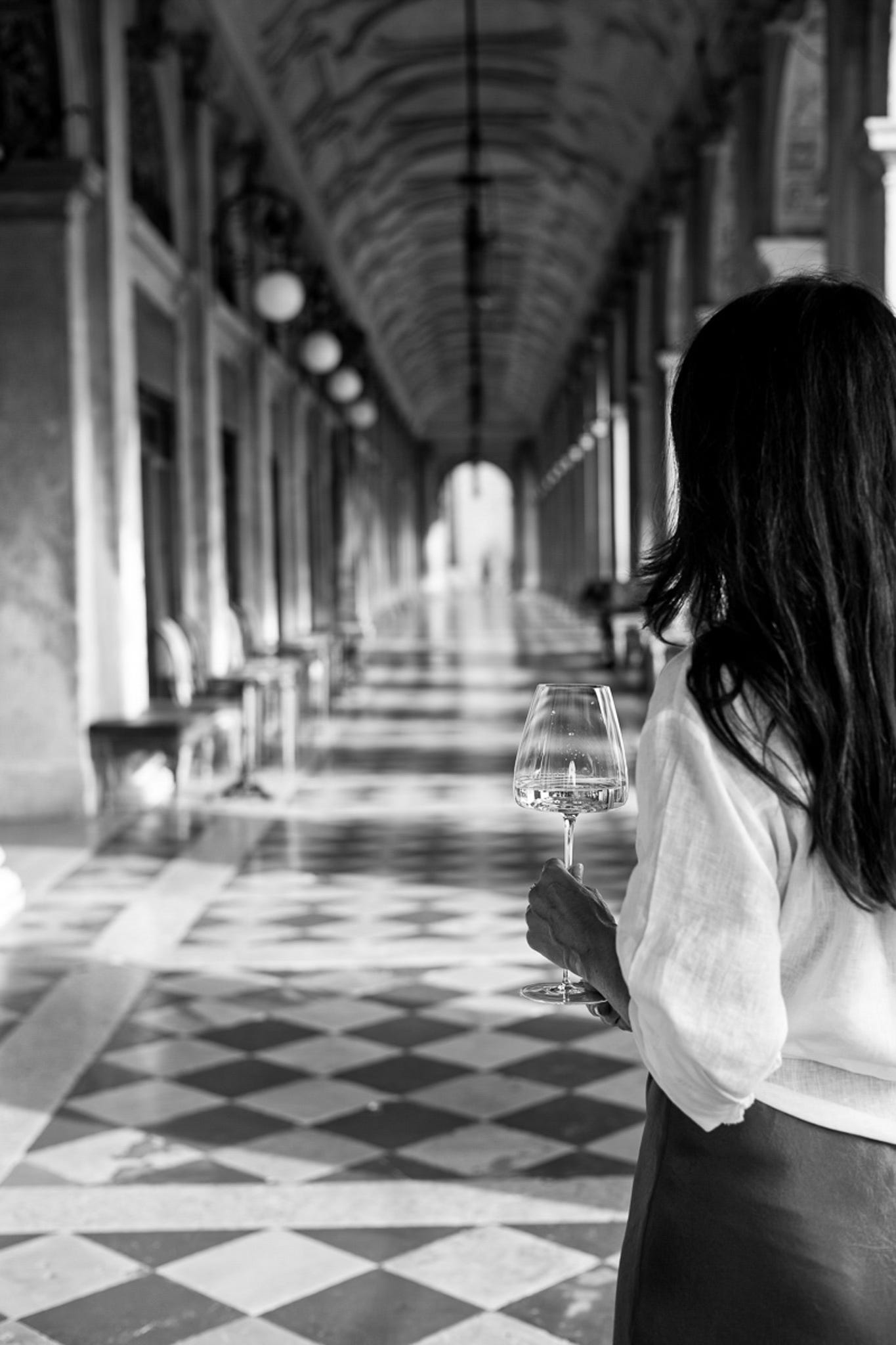
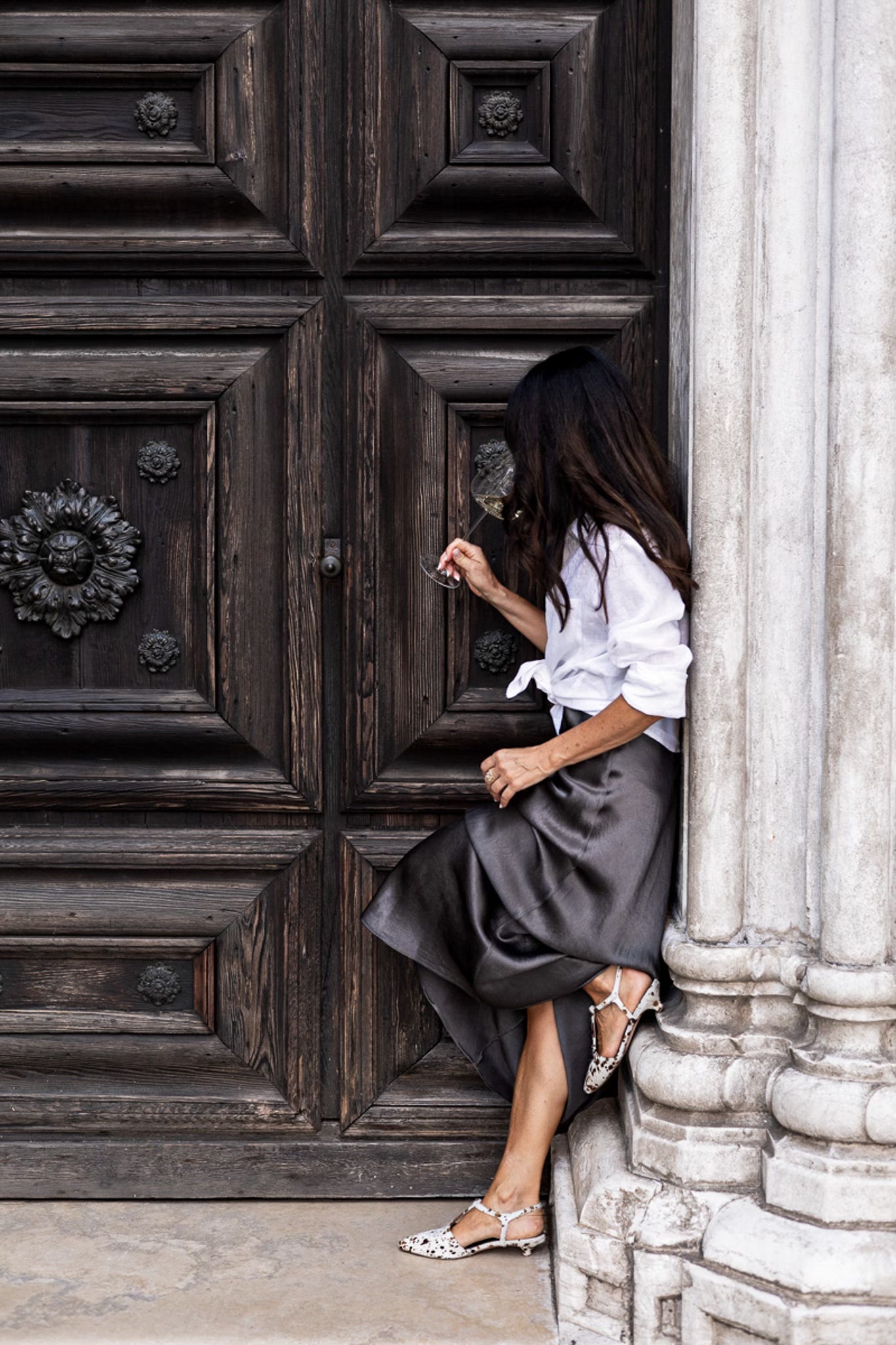
For the glass, I chose Tasto di Seta by Castello di Luzzano, a beautiful single-varietal Malvasia di Candia Aromatica from the Colli Piacentini. Still, intense and deeply aromatic, it carries aromas of flowers, acacia and mint, with a soft, lingering, almost tactile palate. It could not have had a more beautiful name for this story: Tasto di Seta.
In the glass
Tasto di Seta
Malvasia Colli Piacentini DOC - 13% vol - 2024
Castello di Luzzano, Ziano Piacentino (Piacenza)
Grape: 100% Malvasia di Candia Aromatica - Vineyards: 220–270 m
Style: still, dry and intensely aromatic, with notes of acacia, cypress and mint; soft, balanced and persistent on the palate.
Pairing
Parmigiano Reggiano and toasted almonds.
🔗 laurariolfatto.com
🍷 Malvasia Pop Up™
📖 Table Stories
If you’d like to receive my letters and updates from Malvasia Pop Up, you can subscribe to the newsletter here: https://www.laurariolfatto.com/newsletter
Portraits by Nicoletta Fornaro, with gratitude for her sensitive eye and for a creative collaboration that has grown over many years.